





UGC for apps: how to brief creators, plus five hook formats that work
by Jawad Jalal7 min read

the short version
- UGC works when it looks like a person talking, not an ad. A good brief protects that instead of scripting it away.
- Keep the brief to one page: the app in one sentence, who it’s for, the one feeling, the hero moment, one must-say, the never-says, and the hook to try.
- Shoot more hooks than bodies. The first two seconds decide whether anyone watches, so test openings, not whole new videos.
- Five hook formats worth testing: the hot take, the screen demo, the problem POV, the before and after, and the cinematic cold open.
- Agree usage rights in writing before anyone films anything.
In this post8 sections
UGC (user-generated content, though these days it mostly means “content made by creators to look like it was”) is the cheapest way for a consumer app to show up where people actually spend their evenings. A person on a phone, talking about your app in their own words, on TikTok, Reels or Shorts.
It’s also very easy to do badly. The usual failure isn’t the creator. It’s the brief: twelve talking points, a script to read word for word, the logo in the first second and “download now!” before anyone knows what the app does. The result looks like an ad, and people scroll past ads.
The UGC side of our crew makes these for a living, so here’s how we brief creators, and the five hook formats we reach for first.
What UGC is for (and what it isn’t)
For an app, UGC does three jobs:
- Organic reach. Creators post on their own accounts (or yours), and the videos find people through the feed.
- Ads that don’t look like ads. The same videos can run as paid ads, from your account or boosted from the creator’s (TikTok calls these Spark Ads; Meta calls them partnership ads).
- Learning, fast. A batch of videos with different hooks tells you which angle on your app people actually care about, in days rather than months.
What it isn’t: a fix for an app people don’t want, or a substitute for a clear product. UGC amplifies whatever’s there. If the hero moment is weak, ten videos of people pretending to be excited about it won’t help.
The one-page brief
Every brief we send fits on one page. If it doesn’t, we haven’t decided what we’re saying yet.
APP          one sentence: what it is, who it's for
WHO          the specific person watching (not "18-35s")
THE FEELING  one feeling you want them to leave with
HERO MOMENT  the one screen that makes people go "oh, nice" (clip attached)
MUST SAY     one line, max. usually the app's name, said clearly
NEVER SAY    claims we can't back up, competitors' names, "best app ever"
HOOK         the format to try first, plus one of the creator's choosing
SPECS        9:16, 1080x1920, 15-45s, captions on, keep text out of the edges
DELIVERY     raw clips + the edit, file names, the date
RIGHTS organic only, or paid too? for how long? where?A few notes on the lines that matter most:
Who. “Students” is not a who. “A second-year student who splits a flat with four people and is owed £37 by at least two of them” is a who. The more specific the person, the more the creator can talk to them.
The feeling. Pick one. Relief, smugness, curiosity, “finally”. A video that tries to make people feel four things makes them feel nothing.
Must say. One line. Most of the time it’s just the app’s name, said out loud and shown on screen, because TikTok captions don’t have clickable links and people need to be able to search for you.
Rights. Agree usage rights in writing before anyone films anything: organic only, or paid ads as well, for how long, in which countries, and whether you can boost from the creator’s account. It’s a two-minute conversation now and a horrible one later.
What to send creators

The brief, plus everything they need to make it look real without guessing:
What to leave open
Their words, their setting and their delivery. Creators are good at this precisely because they sound like themselves. The moment you hand over a word-for-word script, they start sounding like someone reading a script, and the audience can tell in about a second.
Give them the destination (the feeling, the hero moment, the must-say) and let them choose the route. If something comes back that’s wrong, it’s almost always because the brief was vague about the feeling or the person, not because they ignored the script.
Five hook formats that work
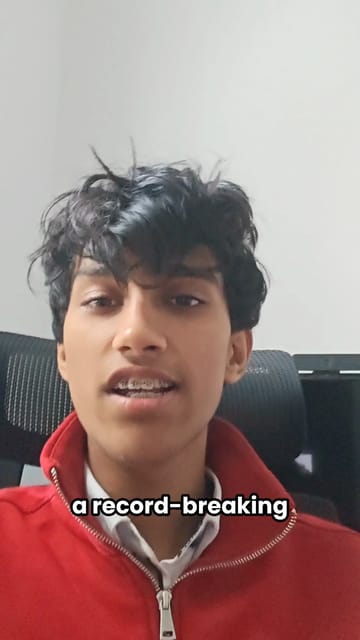
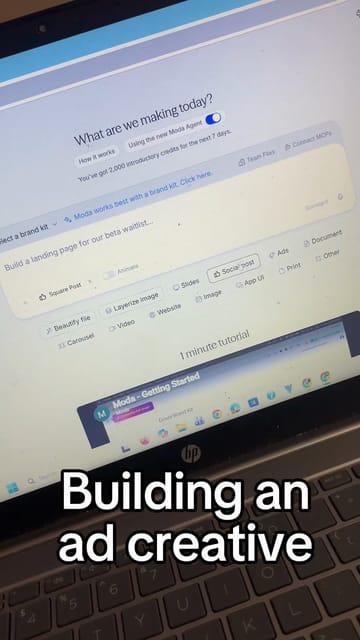
The hook is the first one to three seconds: the opening line, the first image, the text on screen. It decides whether anyone sees the rest. These are the five formats we start with. Here are three of them, made by our UGC side:

1. The hot take
A person, to camera, opening with a bold claim. “AI video is the next gold rush.” “Nobody should be paying for this any more.” Then they back it up, with cut-ins of the app doing the thing.
It works because a claim invites an argument, and people stay to see if they agree. Use it when your app has a genuine point of view. Avoid it if the claim is one you’d be embarrassed to defend in the comments.
2. The screen demo
Open on the result, not the setup. Show the finished thing in the first two seconds (“100s of ad creatives in seconds”), then rewind and show how it happened. The screen does the talking; a voice or on-screen text guides it.
This is the format for apps where the output is the magic: anything that generates, transforms, edits or sorts. If your hero moment is visual, this is probably your best performer.
3. The problem POV
“POV: it’s 11pm and you still haven’t decided what to eat.” Start inside a small, specific, slightly painful moment people recognise, then let the app turn up as the way out.
The magic is in the specificity. “Struggling with productivity?” is an ad. “POV: you’ve opened the fridge four times and closed it four times” is a person. Use it for everyday-problem apps: money, food, habits, planning, flatmates.
4. The before and after
Split screen, or a hard cut on the beat: the old way, then the new way. Messy notes, then a tidy plan. The blurry photo, then the edited one. It’s the oldest format in advertising because it works, and on a phone it can be done in five seconds.
Make the “before” honest and relatable, not a cartoon. The more people recognise their own “before”, the harder the “after” lands.
5. The cinematic cold open
No talking. A striking image or a strange little moment first (“One snap, new Urus”), and the app only appears once people are already hooked. It’s closer to a short film than a testimonial.
It’s harder to make and harder to predict, but when it hits it travels further than the others, because people share things that look good. Keep the product reveal clear: a beautiful video nobody can connect to your app is just a beautiful video.
How many, and how to test them

For a launch, we usually make 10–20 videos. The trick is how they’re split: not twenty different ideas, but a few strong bodies with several different hooks each. Same middle and end, three different openings. That way, when one does better, you know it was the hook.
Some rules we stick to:
- Judge a batch, not a video. One post doing badly tells you almost nothing. A batch of ten tells you which angle works.
- Watch the hold, not just the views. How many people are still watching after the first two or three seconds, and how much of the video they watch, says more than a view count.
- Re-cut winners. When a video works, make three more versions of it with new hooks before you make anything new.
- Post across the week. Five videos on one day compete with each other. Five across a week build up.
The mistakes we see most
- The app’s logo on screen for the first second, before anyone has a reason to care
- “Download now” in the first sentence
- A script read out word for word
- Twelve talking points in a 30-second video
- Almost no screen time on the actual app
- Music that can’t legally run as an ad
- No agreement on usage rights until after the video does well
The brief checklist
Our UGC batch is 10–20 videos, scripted, filmed, edited and ready to post, in one to two weeks, from £1,500. It’s on the menu, and if you want UGC every month after launch, that’s what Burn is for. Not sure which hooks fit your app? Book a free call and we’ll tell you which three we’d test first.